


Distinguishing Rubber Coating on Coated Steel: Dip Coating vs Roll Coating for Gasket Materials
Dip Coating vs Roll Coating: Core Differences in Rubber Coated Steel Production
Dip coating is a low-cost process where steel substrates are briefly dipped into rubber liquid. It only deposits a thin rubber film on the metal surface. The coating thickness is difficult to control precisely, with heavy edge build-up and thin spots on flat areas. The rubber layer is merely a superficial skin bonded onto the steel. When compressed under bolt load or subjected to engine vibration, this thin coating quickly deforms, cracks or separates from the metal base.
In contrast, roll-to-roll roll coating applies elastomer evenly and controllably across both single and double sides of steel coils. This process delivers uniform, well-bonded rubber layers for Nitrile-coated Steel, Viton Coating Material and Viton Coating Steel. Roll coating enables engineered coating thickness designed for gasket compression requirements. It is the trusted manufacturing route for high-performance Sandwich-structured materials and industrial MLS Gasket Material. Proper roll-coated Rubber Coated Material (RCM) forms a robust composite interface instead of a simple surface film, resisting compression set and dynamic cyclic loads.
Exposing Low-Cost Gasket Material Risks: Superficial Thin Rubber Coating
Budget alternatives often cut costs by using dip coating to create only a thin surface rubber layer. Visually, these products may look similar to premium Rubber Coated Material (RCM). However, under working compression, the thin rubber skin cannot sustain repeated mechanical stress. The coating loses elasticity rapidly. This is one of the most common hidden defects in cheap gasket blanks, and it is difficult to detect before final assembly and field operation.
For critical sealing applications, inferior dip-coated Nitrile-coated Steel or Viton Coating Steel cannot match the reliability of roll-coated alternatives. When integrated into Sandwich-structured materials or MLS Gasket Material, these low-grade coatings become the weakest link of the whole sealing assembly.
Common Gasket Failure Modes: Coating Cracking, Delamination and Swelling
Three typical failure modes frequently occur in poorly manufactured Rubber Coated Material (RCM) used for sealing gaskets:
1. Coating Cracking: Thin or poorly adhered rubber cannot accommodate compression and vibration. Microcracks develop on the elastomer surface and expand under cyclic pressure and temperature swings, creating leakage paths.
2. Delamination: Weak bonding between rubber and metal substrate causes the rubber layer to peel away from steel. This issue is prevalent in dip-coated products with insufficient surface pretreatment before coating.
3. Swelling: Wrong elastomer formulation or inadequate curing leads to rubber swelling when exposed to oils, coolants or chemical media. Swelling distorts gasket geometry and ruins sealing contact pressure.
These failures are commonly seen in low-quality Nitrile-coated Steel and Viton Coating Material that use dip coating. Such defects lead to engine fluid leaks, downtime and expensive warranty claims for gasket manufacturers.
Material Selection Strategy to Avoid Gasket Failure
Selecting the right Viton Coating Steel, Nitrile-coated Steel, Sandwich-structured materials or MLS Gasket Material starts with verifying the coating manufacturing method. Always prioritize roll-coated Rubber Coated Material (RCM) with controlled coating thickness and validated metal-elastomer adhesion.
· Choose Nitrile-coated Steel (NBR) for general oil resistance at moderate temperature ranges.
· Select Viton Coating Material / Viton Coating Steel for high-temperature, aggressive fluid environments where chemical resistance is required.
· For multi-layer engine sealing applications, specify qualified Sandwich-structured materials and MLS Gasket Material manufactured via roll-to-roll roll coating, with full batch testing records.
Summary
The difference between dip coating and roll coating is far more than production cost. It determines whether your Rubber Coated Material (RCM) will maintain sealing integrity or fail quickly under compression. Avoid low-cost dip-coated products with only a superficial thin rubber layer. By understanding coating processes and common gasket failure mechanisms, gasket designers and OEM buyers can properly select Nitrile-coated Steel, Viton Coating Steel, Sandwich-structured materials and MLS Gasket Material to reduce leakage risks and improve long-term sealing reliability.
Welcome to visit our company website to learn more about the material:www.chinanewmaterialtech.com
Email: ryleezh@chinanewmaterialtech.com
related news
-

NBR vs FKM Coated Steel – How to Choose the Right Material for Your Sealing and
Aug 28,2026
-
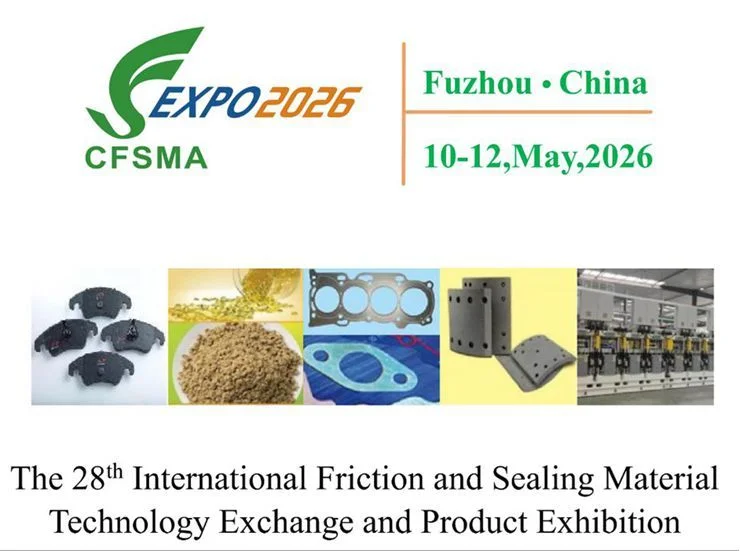
The 28th International Friction & Sealing Material Technology Exchange and Produ
May 28,2026
-
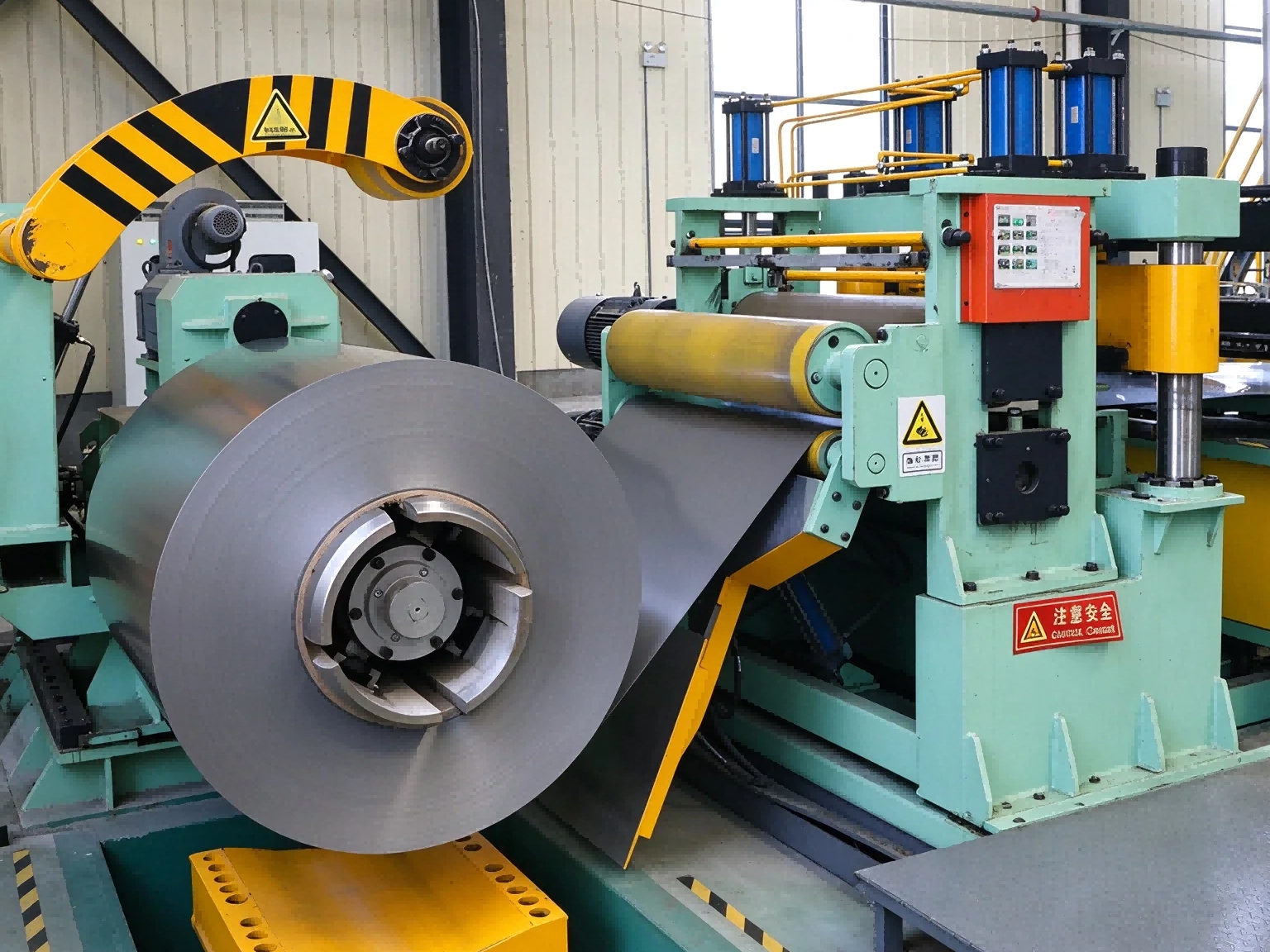
Roller Coating Technology Delivers Consistent NVH Performance for Automotive Bra
Oct 14,2026
KNOW MORE ABOUT US
Please enter your detailed information, and we will contact you later to provide a free quotation.
Want high quality coated steel material?
Tell us about your project so we can help you find the solution that fits your needs!

Fully automatic RCM Production Line in China
Fully automatic stamping factory line in China


quick link
contact
-
+86-531-80993487

-
+86-152-5416-7359

-
ryleezh@chinanewmaterialtech.com

-
High-Tech Zone Qisheng Square 6-708, Jinan, Shandong, China

Copyright©Jinan Sunrise New Material Technology Co. LTD