


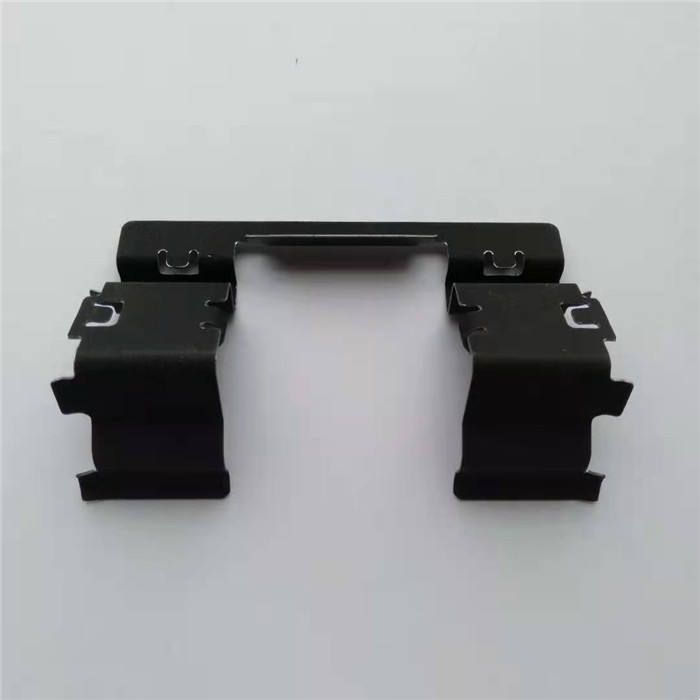
PTFE-Coated Brake Pad Abutment: Key Advantages & Industry Trends
1. Industry Pain Points
Uncoated steel abutments commonly generate unstable friction fluctuation, causing 15–25% higher residual drag and progressive NVH degradation during long-term service. Corrosion and salt-spray erosion further lead to 30%+ premature brake hardware replacements, bringing consistent calibration risks and after-sales quality issues for OEMs.
2. Core Positioning of PTFE Abutments
Specially optimized for modern ICE & EV brake systems, PTFE-coated abutments maintain stable near-zero residual drag and consistent NVH performance throughout the full service cycle. Currently, over 60% of mainstream Tier1 brake suppliers have adopted PTFE coating as the standard upgrade for mass-production high-durability brake hardware.
3. Key Technical Advantages (Data-Supported)
✅ Ultra-stable low friction: Delivers a steady friction coefficient of 0.10–0.15, effectively eliminating stick-slip and reducing brake drag by up to 20% for uniform pedal feel and precise calibration.
✅ Superior durability: Outstanding thermal fatigue, brake fluid and salt spray resistance extends abutment service life by 2–3 times vs. bare steel parts.
✅ EV NVH optimization: Suppresses low-frequency brake squeal by over 90%, solving the most prominent noise pain point for silent EV braking systems.
4. Industry Adoption Trend
Driven by EV lightweighting and upgraded global durability standards, PTFE coating is rapidly replacing traditional zinc plating. It cuts overall brake hardware lifecycle cost by 12–18% and has become the preferred standardized solution for high-performance and new-energy vehicle brake projects, with market penetration growing 9%+ yearly.
related news
-
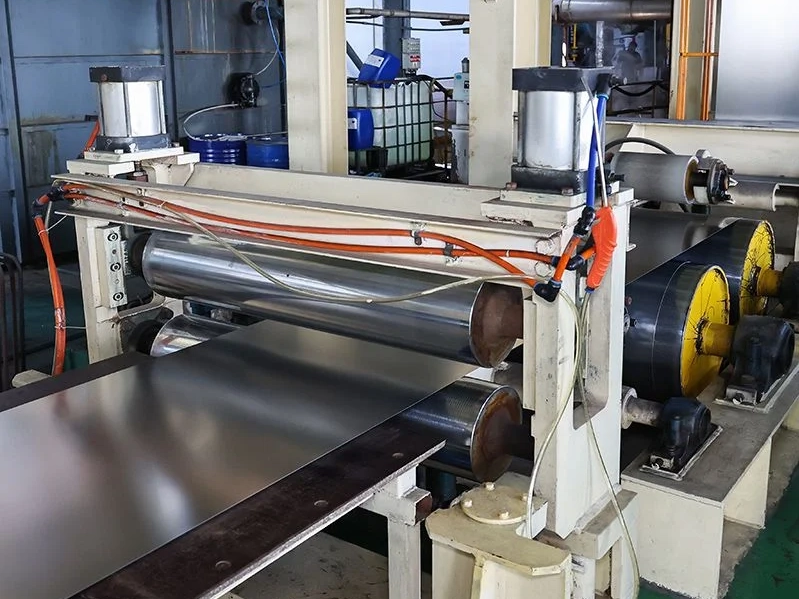
Advanced Roll-to-Roll Continuous Coating Technology for High-Consistency NBR & F
Oct 10,2026
-

FKM Rubber Coated Steel: When NBR Falls Short for Demanding Stamping
Sep 03,2026
-

The 27th International Friction & Sealing Material Technology Exchange and Produ
May 20,2025
KNOW MORE ABOUT US
Please enter your detailed information, and we will contact you later to provide a free quotation.
Want high quality coated steel material?
Tell us about your project so we can help you find the solution that fits your needs!

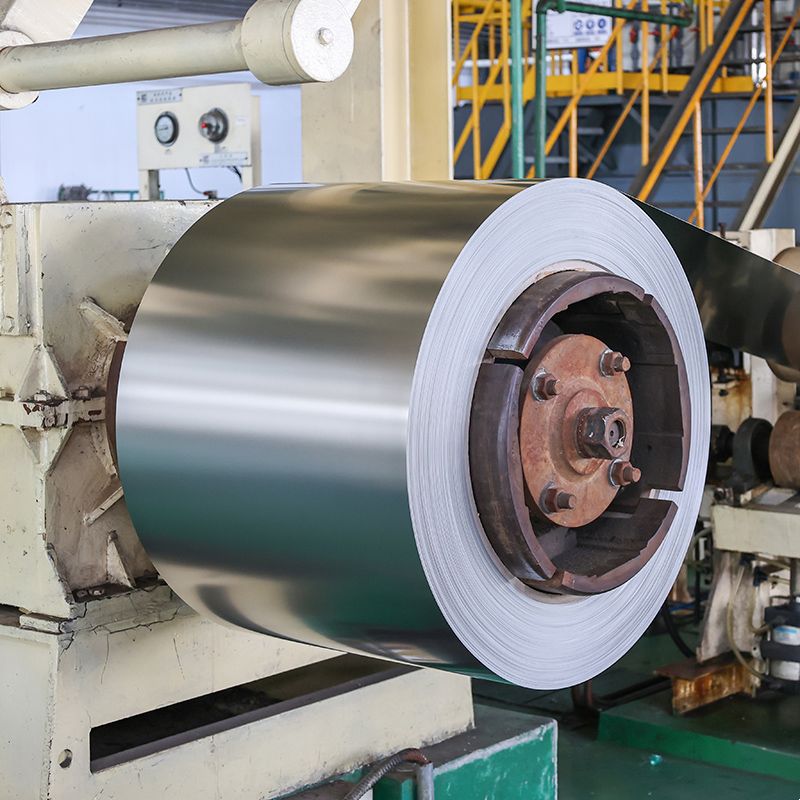
Fully automatic RCM Production Line in China
Fully automatic stamping factory line in China


quick link
contact
-
+86-531-80993487

-
+86-152-5416-7359

-
ryleezh@chinanewmaterialtech.com

-
High-Tech Zone Qisheng Square 6-708, Jinan, Shandong, China

Copyright©Jinan Sunrise New Material Technology Co. LTD